
Diversity in school curriculum’s is never perfect, but representation is improving in schools every year. In the words of Susan Ambrose, explicitly creating inclusive classroom environments is key to supporting all students. This concept not only shows effort on a teacher’s part, but it also gives students a wider perspective on the world.
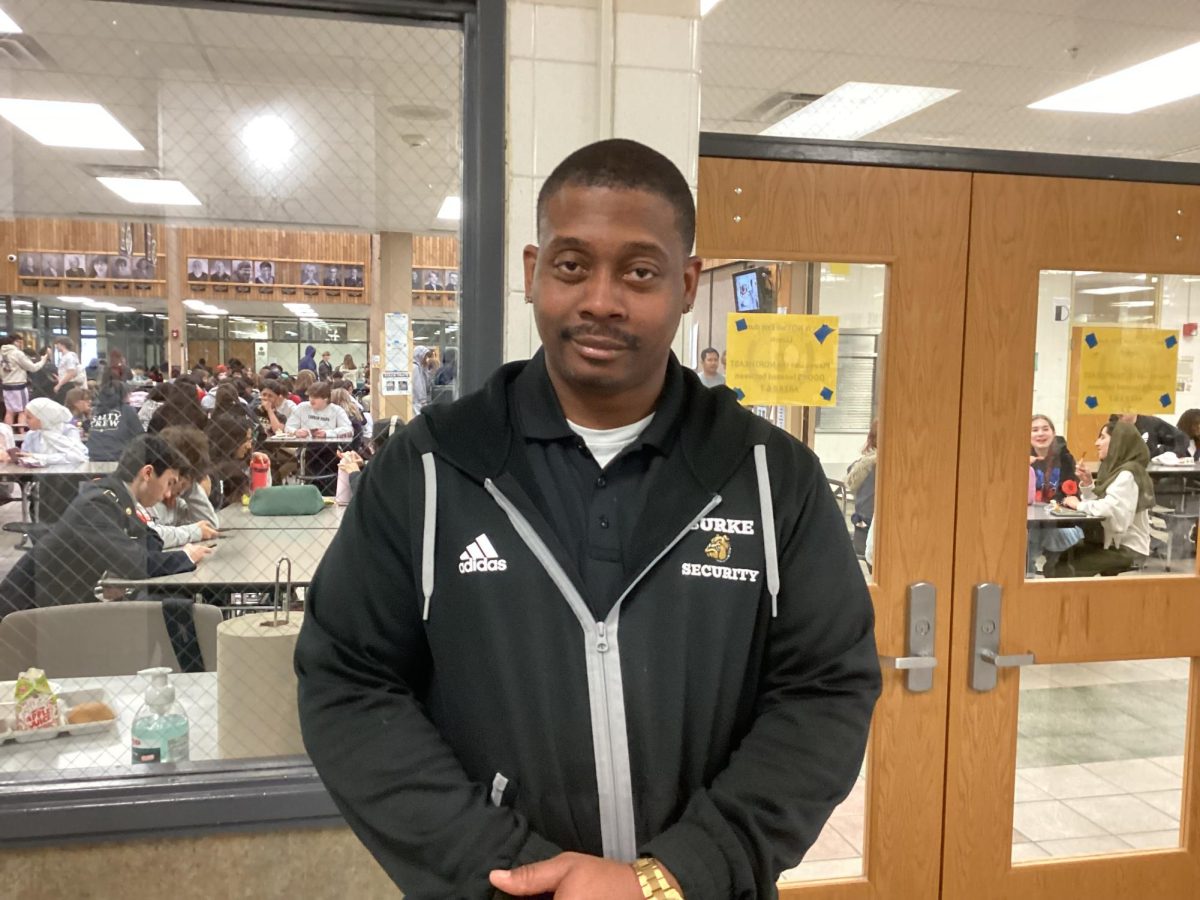
“There has to be, since we live in America. This country was built on slavery, so we have to teach the history of how slavery shaped the country to what it is today. So there has to be diversity in teaching,” Artemis Wright said.
AP World History is one example of a subject that attempts to include diverse cultures and perspectives, covering many different regions and people throughout history. However, one flaw that has been pointed out is the common lack of depth when discussing the non-Western world, even within courses like AP World History.
Along with courses such as AP U.S. History and AP European History, research from the Century Foundation notes that there are still “no courses that specifically educate students on the non-white world.”
“For Black History Month, I think it’s really important that in world history we do talk about everybody,” said Abbey McNair. “Yesterday I had a student tell me, ‘If the history doesn’t connect to me, why should I learn it?’ But it’s about understanding where other people came from. When we talk about African history, we discuss what happened in Africa over time, the diverse regions and kingdoms like Mansa Musa. When we talk about migrations, like the Atlantic slave trade, it’s a terrible event, but it’s also one of the largest forced migrations in world history. I think it’s really important that people understand that history is really diverse.”
McNair added that representation matters because schools themselves are diverse communities.
“So in history, it’s really important that we are covering people from all the different regions of the world, because we have people from all the different regions of the world in this school,” McNair said.
Diversity in education gives students a broader perspective on other people’s lives and cultures, allowing them to see beyond their own experiences. Feeling seen and represented is important for any student, yet school is often a place where students feel overlooked in both media and the curriculum’s being taught.
It is also important for the voices of historically oppressed groups to be heard and taught to future generations. As stated in research by AMLE, “Books and curricula should be both a mirror and a window, connecting to the reader.”
Studies have also shown positive social impacts of diverse education. For example, research cited by Samantha Washington found that students in more diverse school environments “exhibit less racial prejudice.”
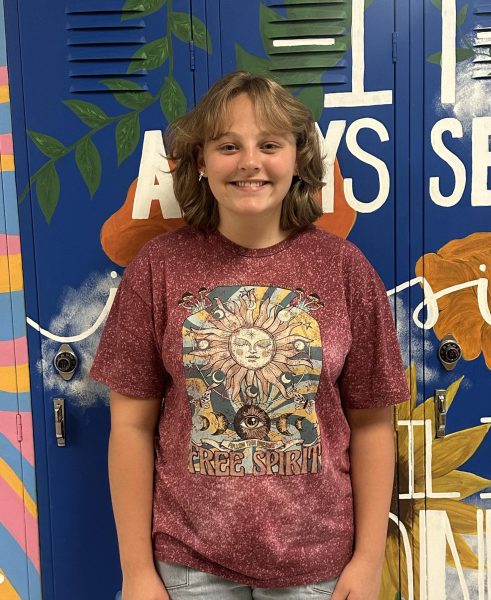
“I think my generation, our younger generation, had a lot of diversity in the shows we watched growing up, like Dora the Explorer and Monster High,” said Kyndall Rios. “Growing up with more diverse shows actually benefited me a lot. I never grew up with any kind of prejudice toward anybody. I was always curious, never judgmental, and I think a lot of those shows and movies taught me that, and I’m very grateful for that.”
Rios also believes that when diversity becomes normalized, it helps students grow up with more acceptance.
“Then when you get to school and we have people in power pushing for diversity, especially in schools, we grow up with that,” she said. “It’s no longer diversity; it’s just the norm. And I think that’s important to normalize for kids. Why shouldn’t it be?”