
March serves as a dedicated time to reflect on the trailblazers who paved the way for modern equality, but for many students, Women’s History Month is more than just a date on the calendar. It is a vital reminder of the progress made and the work that remains. While the month celebrates icons like Susan B. Anthony or Marie Curie, its true impact is felt in the personal lives of the next generation of leaders.
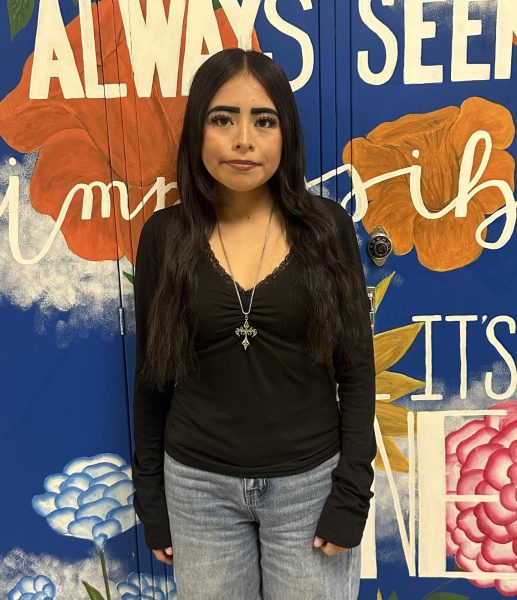
“Women’s History Month matters to me because as a woman I’m so privileged to have the rights that I have today because of my ancestors and the struggles they went through in their time,” Cer Sung said. “I’m lucky to have my own opinions, have my own thoughts, have a say in what I want, and much more. I believe that I’m so lucky to have been born in this generation where Women’s Month is a thing.”
This sense of gratitude is a common thread among young women who recognize that their current freedoms, from voting to education, were once radical ideas. By highlighting these struggles, the month acts as a bridge between the difficult past and a more inclusive future.
Lily Nass agreed, noting that the month serves as a visual timeline of female resilience.
“Women’s history month matters to me because I think it goes to show how far we’ve come from where we started,” Nass said. “Women were not treated fairly from the start, so I think women’s history month is a great representation of all the accomplishments women have made and how hard we’ve fought for equal rights.”
However, the importance of this month extends beyond social rights. It is also about correcting the historical record. For centuries, the contributions of women in STEM and professional fields were often overlooked or attributed to their male peers. Acknowledging these hidden figures is essential for inspiring students in every field of study.
“I think women’s history matters because of the contributions of women to history and science, culture, and society,” Joselin Marroquin said.