
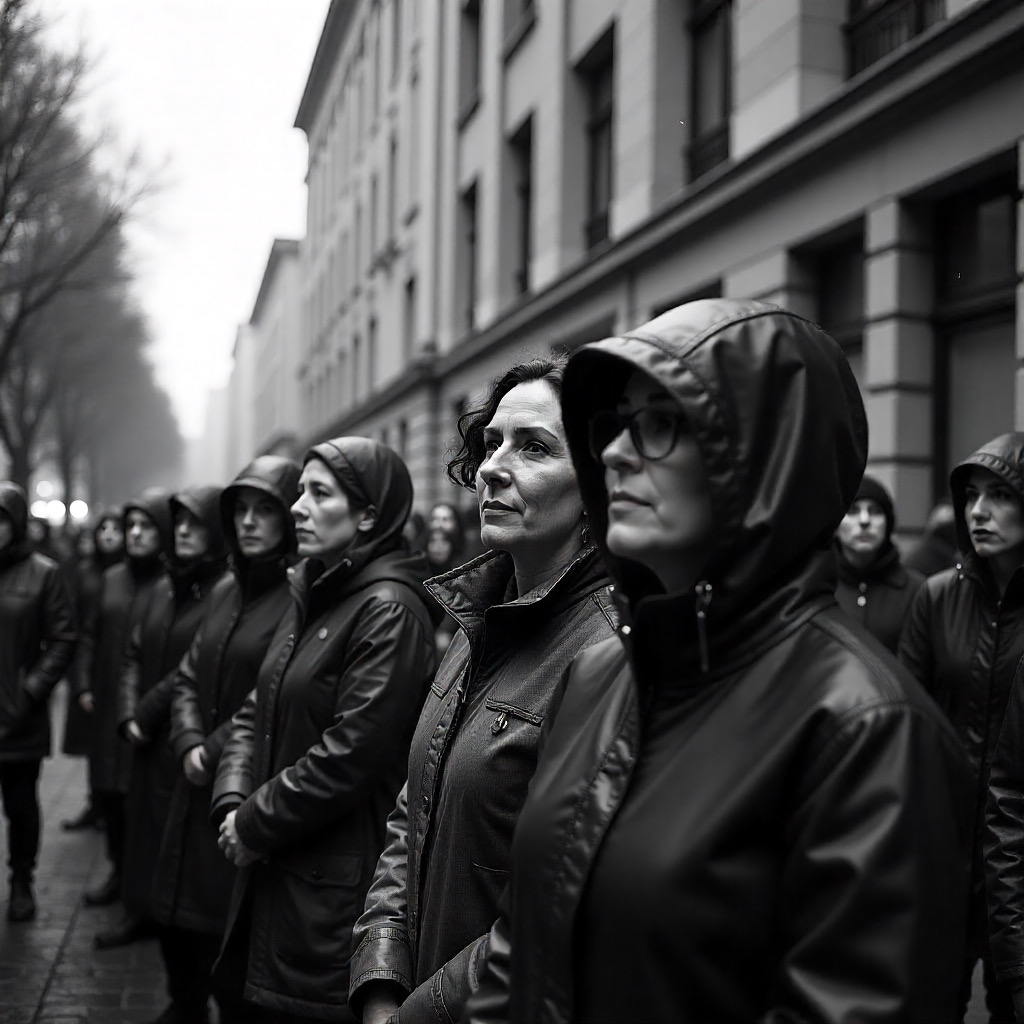
How many women have to die before we actually do more to protect them? Women have faced inequality at the hands of people who speak of protection yet who are they to talk about protection when women need protection from them specifically?
Societies have claimed to protect women for as long as legal and social structures have existed. The “protection” of women has been tied to controlling women’s bodies, labor, and property, rather than promoting equality.
“No woman can call herself free who does not own and control her body,” Margaret Sanger said. “No woman can call herself free until she can choose consciously whether she will or will not be a mother.”
Women’s bodies remain under someone else’s authority, especially when discussing child marriage. This harmful practice affects girls more than boys. Girls are often married to adult men, while boys who are married as children are almost always married to female minors. Gender inequality is deeply rooted in child marriage. It violates girls’ rights to health, education, and economic opportunity by forcing them into premature adulthood.
“One in three women in the developing world is married before the age of 18,” Desmond Tutu said. “Across the world, girls are powerless to choose when they marry, to whom, or whether they marry at all.”
Child marriage is not just about inequality. It is a form of gender-based violence. Gender violence does not stop at home. It follows women into the workplace worldwide. In the workplace, it takes many forms: physical, sexual, emotional, psychological, economic and technology-facilitated abuse. Neglect, discrimination, social isolation and harassment also occur. Many workplace gender violence cases go unreported because of fear of retaliation or a lack of trust in reporting systems.
“Violence against women isn’t cultural, it’s criminal. Equality cannot come eventually; it’s something we must fight for now,” Samantha Power said.
Violence is not the only barrier that won’t change without a fight. Women continue to occupy far fewer leadership roles than men, which adds to inequality in society. This lack of representation can reinforce gender stereotypes and biases, hinder advancement, and force women to navigate work-life conflicts without adequate support from leaders who understand their perspective.
This also affects young girls growing up. They may view certain positions as “for men,” limiting their sense of possibility and dimming their potential simply because they are girls. Understanding what you are capable of as a child can set the path for future achievement.
“There is no limit to what we, as women, can accomplish. We must see ourselves in positions of leadership to believe we can lead,” former first lady Michelle Obama said.
Inequality runs deep, while people have fought for women’s rights for centuries, the process has repeatedly reached a standstill, reminding society that there is still much more work to do.