
Fields and courts capture the attention of most sports fans, but another sport thrives in a room filled with screens.
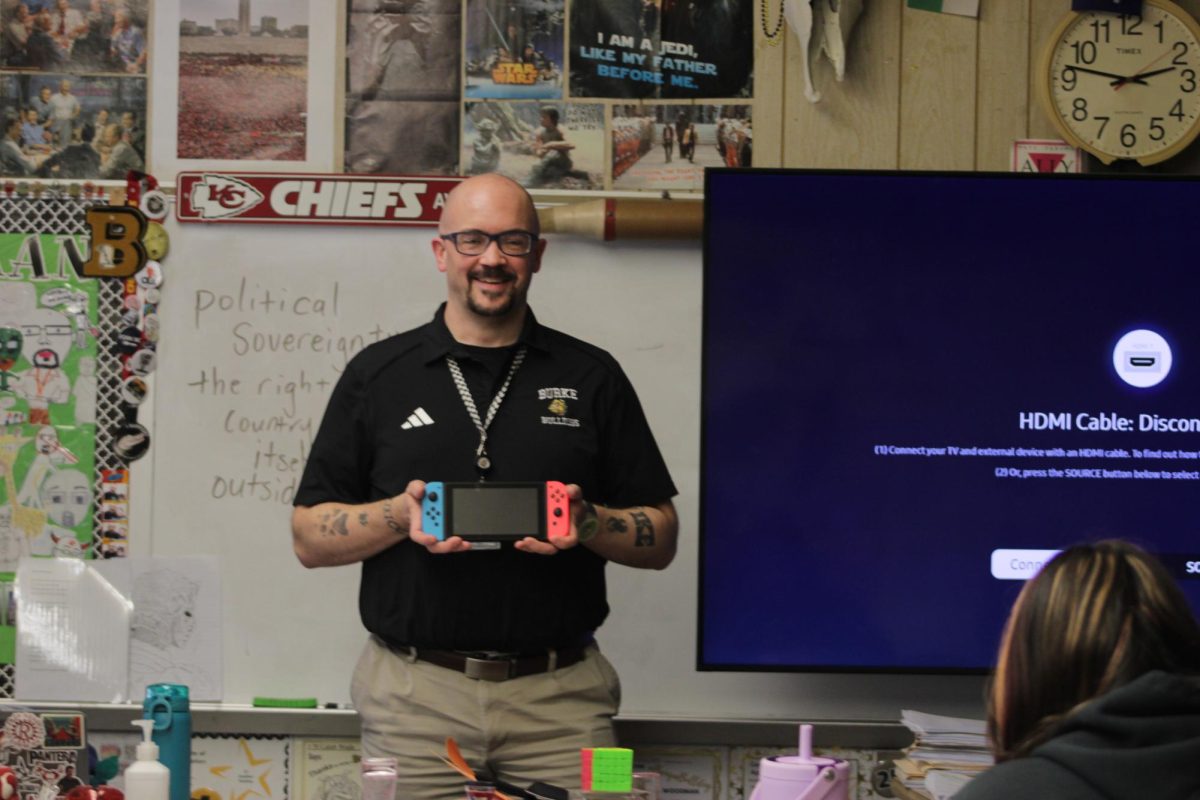
Burke’s esports team began a year before Mr. Woodman was persuaded to become its coach. Now in his third year coaching, the program is entering its fourth year since its inception.
“I’ve never coached other sports … teamwork is just as important in esports as it is in other sports,” Woodman said. Just like traditional athletics, players must rely on one another and communicate effectively to succeed.
From the beginning, inclusion has been a key component of the team. Balancing competition with a welcoming atmosphere helps prioritize the best interests of its players. “My mission from the start has been to let anyone join the esports team who wants to join,” Woodman said. “I want this to be a welcoming team for anyone excited about gaming.”
“Everyone gets a chance to play,” he added. “That being said, we also want to win just like other sports. If we have multiple teams, we will have a varsity team, or kids with more success will play more in the playoffs, but inclusivity is really important to me.”
While esports may look different from traditional sports, its core values remain the same. For 15 weeks each semester, four days a week and two hours each day, players have the opportunity to gain a sense of belonging and develop leadership skills. “They learn what it’s like to have people rely on you and how to keep commitments to others,” Woodman said. Team members must trust one another, communicate effectively and prioritize collective success over individual performance.
Spending long hours together throughout the year helps strengthen relationships among teammates. For many, the team has become a safe space and a source of social growth. “Put a controller in their hands and put them in a room with other gamers and they totally come out of their shell,” Woodman said. More than just a group of students, the team has helped foster lasting friendships. “Some of the kids have become best friends because of the team. The team is small enough that it would be really difficult not to make connections with each other.”
Despite the team’s success, challenges remain. Limited network access forces players to rely on personal hotspots, which has caused issues during matches. “The most challenging thing about esports is not having the full support of the district,” Woodman said. “I want people to understand that kids who play video games aren’t lazy or wasting their time. It takes a lot of skill and strategy to play these games, just like other sports.”
The team includes students who are also involved in cross country, track, soccer, orchestra, choir and marching band.
At the end of the day, the focus remains on growth, teamwork and enjoyment. “Kids having fun. Kids honing their skills. Kids helping each other get better at the games,” Woodman said.