

Black fashion has shaped fashion trends and what people around the globe wear today. Long before runways and social media, black communities were creating specific styles that are now widely rooted into history.
The clothing reflected stories of self expression and resistance. “Modern fashion” often retraces back to black designers, artists, and innovations whose influence has affected the industry heavily with remarkable influence.
Historically, black fashion began as a direct and strong response to oppression with hints of cultural identity.
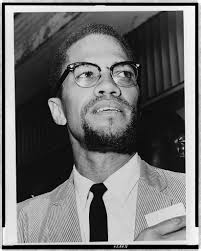
During the Harlem renaissance things such as bright colors, tailored suits with different silhouettes became symbols of cultural pride. As time progressed, during civil rights movements, afrocentric styles like dashikis, utilitarian gear, with natural hair styles and denim activism are just a few examples that reflected the “Black is Beautiful” movement that was prevalent during the 60s and 70s.
Black fashion should not strictly be seen as a conceptual aesthetic but rather factual infrastructure.
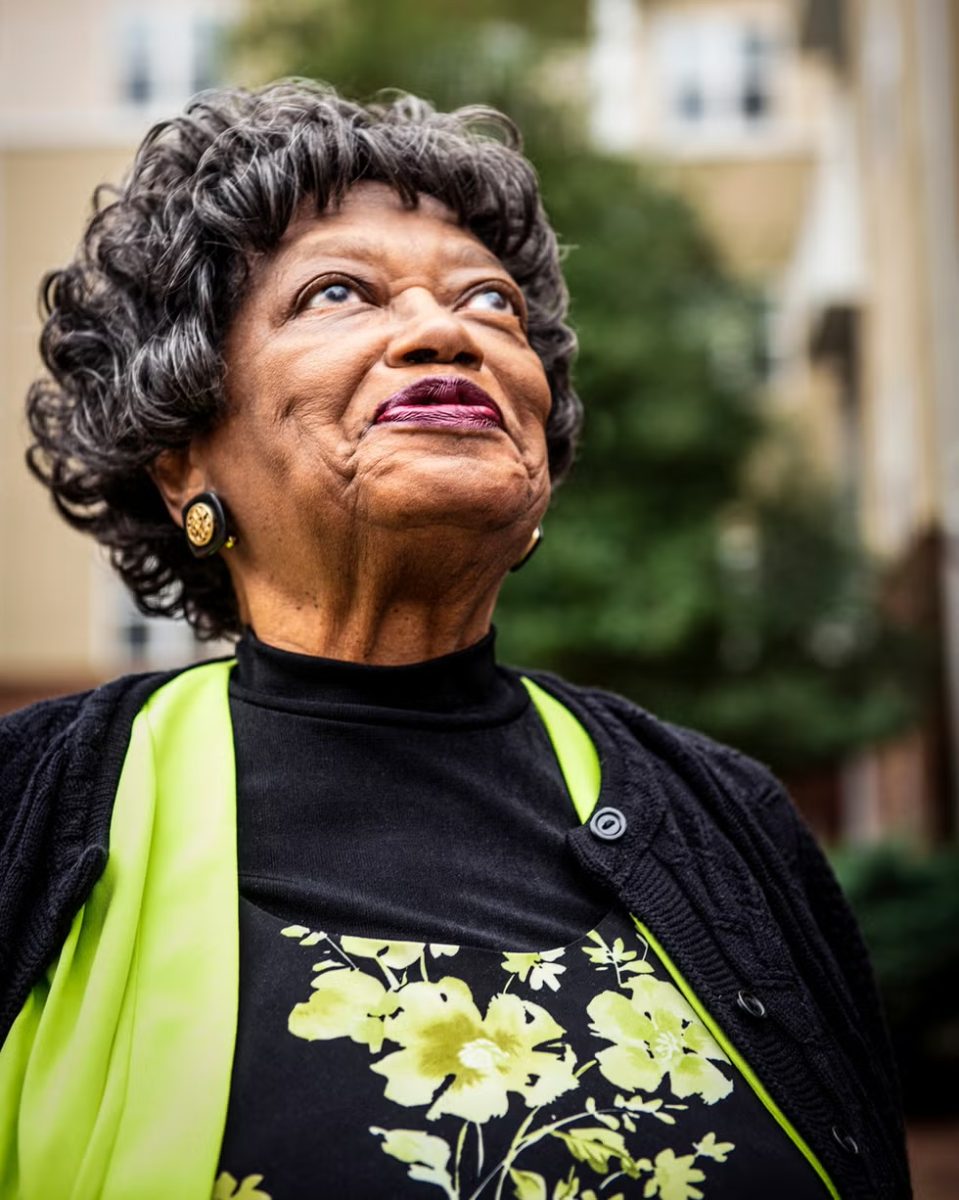
“Yes, I think that there are certain fashion trends or things that African American have done or worn in public and have been shamed, however, I think it’s contradictory that another race picks it up and now it’s a trend,” Roslyn Wells said.
Shifting into recent decades, black culture still has driven global trends.
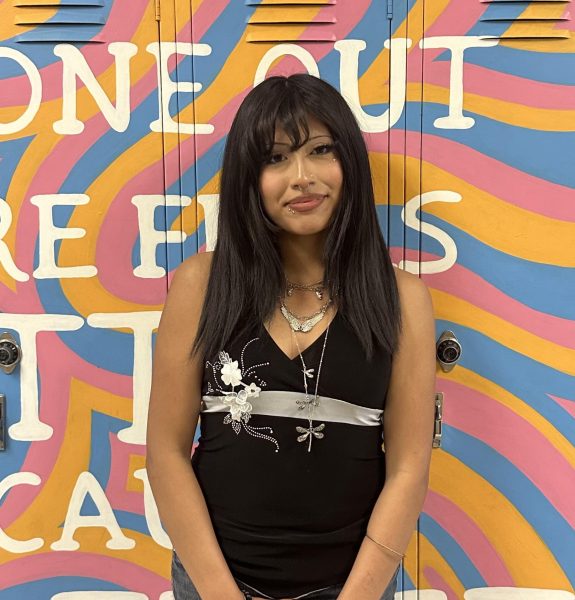
“Some of my favorite pants are very flared jeans and baggy ones,” Jocelyn Castillo said.
Baggy jeans and bell bottoms originated in black communities and neighborhoods. Most youth can say they have owned or do own at least one of those styles of jeans especially in the past 6 years. Having entered mainstream media and marketplaces, black styles are so widely consumed that it is important to remember where these “trendy” styles came from.
The celebration of black fashion offers an opportunity to acknowledge not only influence but inequality. Understanding that history means confronting the truth that innovation has been welcomed after being detached from the black community. It is important to respect the people who have created some of your favorite pieces in your wardrobe, keep in mind the creativity and identity behind them. Black history in as a foundation in modern fashion should be respected, protected and remembered.