
Omaha has an important Black history, especially North Omaha. It became the center of Black culture in the early 1900s, when African Americans moved here for jobs in the meatpacking plants and railroads. Even though they faced segregation and racism, they built strong communities with churches, businesses and schools. This area became known for its music, culture and activism.
One major part of Omaha’s Black history is the civil rights movement. In 1919, during the Red Summer, a Black man named Will Brown was lynched by a white mob, which shows how serious racism was at the time. Later, in the 1950s and 1960s, groups like the DePorres Club worked to fight segregation in Omaha by organizing peaceful protests and sit-ins. In 1969, there were protests and unrest after a 14-year-old girl named Vivian Strong was shot and killed by a police officer. These events pushed the city to have conversations about racism and police brutality.
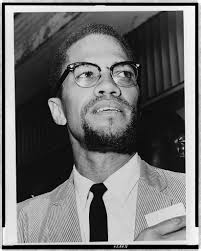
Omaha is also the birthplace of Malcolm X, who was born here in 1925. He became one of the most influential civil rights leaders in American history. Another important figure is Ernie Chambers, who was a longtime Nebraska state senator and fought for civil rights and equality in Omaha for decades. The Omaha Star newspaper, started by Mildred Brown, was also very important because it gave a voice to the Black community.
Overall, Omaha’s Black history shows both struggle and strength. From facing violence and discrimination to creating powerful leaders and organizations, the Black community has played a huge role in shaping our city. Learning about this history helps us understand where we came from and why equality and justice still matter today.