


From a distance, the systems meant to help women, shimmer and appear to open doors. They promise women safety, shelter, financial support, legal protections, and a path to a new life. Step closer, and they reveal themselves as something heavier. They are not doorways at all. These systems often become barriers rather than bridges. Women speak on all the endless paperwork, long waiting lists, and insufficient funding trap many women in dangerous situations far longer than necessary. I believe the government at every level has failed to create truly accessible support for survivors. It has prioritized bureaucratic processes over urgent human needs. This failure is not just inefficient. It is dangerous and unacceptable.
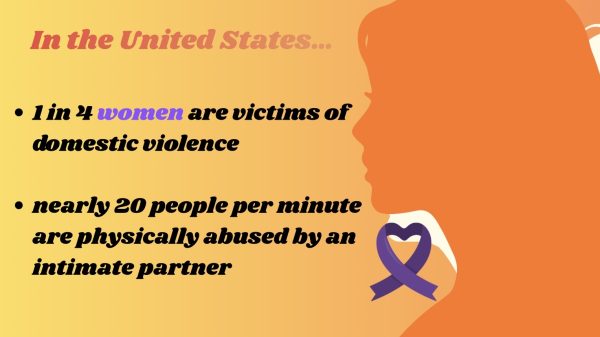
Domestic violence affects over millions of women across the United States. More than one in three women experience contact sexual violence, physical violence, and or stalking by a partner in their entire lifetime. Additionally, financial abuse occurs in up to 99 percent of domestic violence cases. This behavior from abusers can look like: controlling money, ruining the victim’s credit, or preventing them from working. This leaves survivors without the resources and money to leave safely. Research shows that about 73 percent of survivors say their financial situation heavily affects their ability to escape. “I got little to no support simply due to the fact I was married, even in marriages we need help too, a ring means nothing compared to the violence I faced for years” Anonymous woman said. Yet the systems meant to help often assume a level of stability that someone fleeing abuse simply does not have.
For example, consider housing. Domestic violence is one of the main causes of homelessness among women. Between up to 57 percent of homeless women report that domestic violence was the cause of their homelessness. Shelters exist, but many run at or near capacity. Waiting lists can stretch for weeks or months. “It was impossible to get into a shelter, most of my nights were spent in a car,” Anonymous woman said. In some areas, survivors face waits of years for affordable housing. Programs often require proof of income, identification, or clean rental histories. As mentioned previously, these are documents that abusers may have hidden, destroyed, or even used as blackmail over the people in these situations. When beds are full or rules regarding identification are not fully met, women and their children may return to danger simply because there is nowhere else to go.
Financial assistance programs like TANF and SNAP are supposed to provide a lifeline. They often fall short. Maximum TANF benefits for a family of three vary widely by state, but the median across states is only about 26 percent of the federal poverty level. They rarely cover basic housing costs. Strict work requirements and time limits ignore the trauma, childcare needs, and safety planning that survivors must handle. Applications demand repetitive information and documentation that can be impossible to gather during crisis. Delays in funding leave local shelters struggling. Sometimes programs must reduce services or turn people away.
Legal systems add another layer of failure. Custody battles and restraining orders require survivors to relive trauma in court, often without enough support. Housing protections under laws like the Violence Against Women Act exist on paper. Yet inconsistent implementation means many women still face eviction risks or discrimination. Immigrant survivors meet extra challenges, including language barriers and fears tied to immigration status. The bureaucracy assumes people can plan ahead and navigate complex rules precisely when their lives are in chaos.
These shortcomings are not accidental. They reflect choices about funding priorities and policy design. Federal and state governments have allowed shelter funding to stagnate or shrink compared to need. Which is completely unacceptable. Waiting lists grow while affordable housing shortages worsen. Programs emphasize eligibility checks and work mandates more than rapid, flexible emergency aid. The result is a fragmented system that quietly pushes many women back toward their abusers.
Women in these situations may have to worry about where them or their children will sleep tonight and how they will afford food tomorrow. The systems that should ease this burden instead of adding weight.
We can and must do better. Government must treat accessibility as seriously as availability. This means streamlined, trauma-informed applications that accept alternative forms of documentation or are at least more lenient. It means emergency financial support that arrives within days, not weeks. It means more shelter beds, expanded rapid rehousing programs, and stronger legal protections that put safety first without forcing survivors to repeat their pain in exhausting detail. Make women a priority. Policies should account for the realities of financial and physical abuse along with the needs of mothers with children.
Escaping domestic violence is rarely a single step. It is a long, difficult journey filled with fear and uncertainty. The systems designed to help are real, but they are too often fragmented, demanding, and hard to navigate in moments of crisis. What survivors need is not only more resources but also a clearer, kinder path through them. A path that sees vulnerability, has prioritization, and urgency. Until government reforms these broken doors into real openings, too many women will remain trapped in the shadows of abuse. It is time for change that puts lives above paperwork and monetization.