

Super Bowl LX was the biggest NFL game of the year, but somehow it wasn’t the real water-cooler moment of the night.
Instead of bringing everyone together, it felt like it divided Americans even more.
Of course, the “it” we’re talking about isn’t the game between the Seattle Seahawks and New England Patriots.
Rather, it’s about the two main halftime shows.
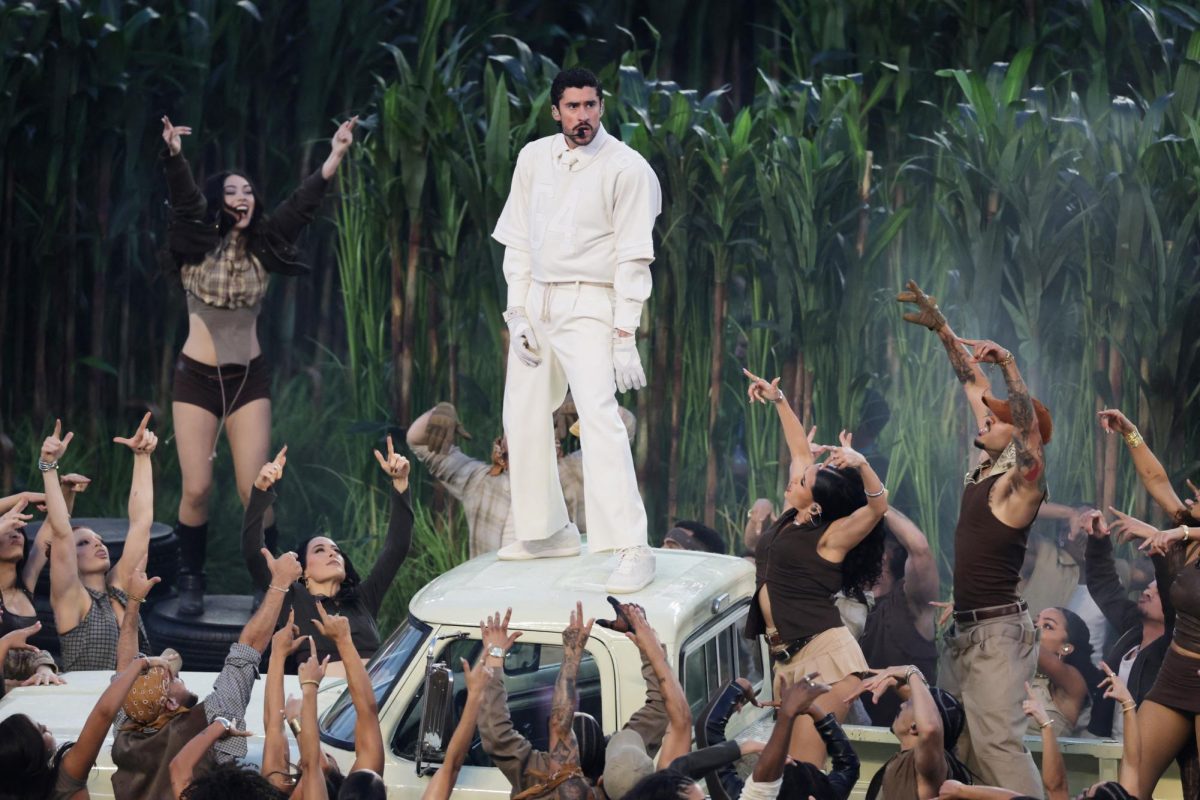
Bad Bunny performed at the Apple Music Super Bowl LX Halftime Show with a lot of energy and a stage full of cultural celebration. We can recognize how popular he is and how much he means to his fans around the world. But as the performance went on, reactions started to become mixed. Some viewers even left the broadcast and went to Twitter or YouTube to watch an alternative livestream hosted by Turning Point USA featuring Kid Rock.
Isn’t that unusual?
Not really. For those unaware, alternative halftime shows aren’t new. Longtime halftime alternative Puppy Bowl has enticed pet lovers for the past 22 years, and for something a little more vintage, MTV’s Celebrity Deathmatch’s “Deathbowl ’98” was the hot ticket back in 1998 when the NFL halftime show featured a “A Tribute to Motown’s 40th Anniversary.”
So, this isn’t about variety — is it?
One of the main reasons people were frustrated with Bunny’s performance was because the entire performance was sung Spanish without any English translations. While that represents who Bad Bunny is as a performer, some felt disconnected because they couldn’t understand what he was saying. For some, it was hard to fully connect to a performance when the message isn’t immediate understood. Others also mentioned that the audio seemed uneven and that the crowd didn’t sound very loud, which made it feel less exciting compared to previous halftime performances.
All fair points.
However, it’s important to ask ourselves — who was the intended audience and did it matter if non-Spanish speakers didn’t immediately understand the lyrics and the messages from Bunny’s performance? Many fans defended his performance. They said it was important to showcase a global artist on such a huge stage and that not everything has to be in English to be appreciated. That perspective matters too.
Meanwhile, the alternative halftime show offered a completely different vibe. Some preferred the All-American Halftime Show because it felt more engaging and included a faith-based message. For the 6.4 million YouTube concurrent streamers, the performance was well worth the shift from big screen to small screen.
So, how have we become so divisive that 20 minutes of entertainment can tear down our country?
While the answer might not be simple to fill in a 463-word story, Super Bowl LX showcased that halftime shows are more than just music (or puppies). They reflect culture, identity and what we choose to connect with.